
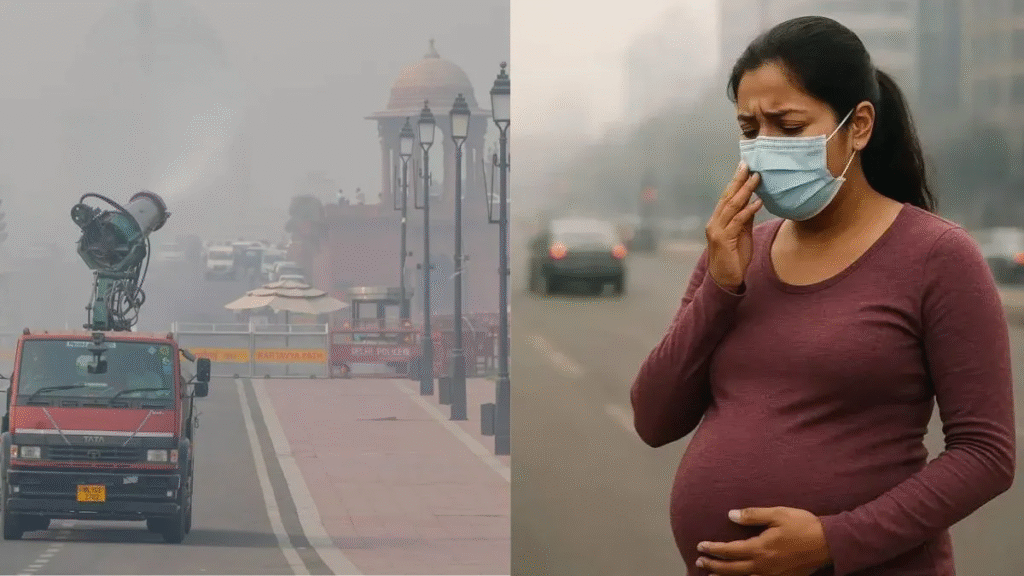
The Hidden Connection Between AQI and Reproductive Health
Delhi’s air quality crisis has evolved from an environmental concern to a serious reproductive health threat. While most women are aware of pollution’s impact on respiratory health, few realise it’s quietly sabotaging their fertility long before they even begin trying to conceive. Today, the best female gynaecologist in Delhi is diagnosing more women with fertility problems directly linked to long-term exposure to toxic air.
If you’re planning a family or experiencing unexplained difficulty getting pregnant, the air you breathe daily might be the missing piece of your fertility puzzle.
The Invisible Fertility Threat in Delhi’s Air
What Makes Delhi’s Air So Dangerous for Fertility?
Delhi’s atmosphere contains dangerously high concentrations of PM2.5 particles, nitrogen oxides, ground-level ozone, and heavy metals like lead and cadmium. These microscopic pollutants, smaller than a human hair, don’t just stay in your lungs. They penetrate deep into your bloodstream and travel directly to your reproductive organs.
According to Dr. Reena Jain, a leading female gynaecologist in Delhi, these toxins trigger oxidative stress and chronic inflammation in ovarian tissues, disrupting the delicate biological processes essential for conception.
The Reproductive Damage You Can’t See
Unlike a persistent cough or burning eyes, pollution’s assault on your fertility happens silently:
- Egg Quality Deterioration: Women are born with a finite number of eggs that cannot regenerate. Prolonged pollutant exposure causes irreversible DNA damage to these precious cells, reducing fertilisation potential and embryo viability.
- Hormonal Disruption: Air toxins act as endocrine disruptors, throwing estrogen, progesterone, and FSH levels off balance—leading to irregular cycles, poor ovulation, and diminished ovarian reserve.
- Uterine Environment Changes: Inflammation compromises the endometrial lining, making implantation difficult and increasing early pregnancy loss..
- Accelerated Biological Clock: Even women in their late twenties and early thirties are showing fertility markers typically seen in much older patients.
Why Smart, Health-Conscious Women Are Still Struggling
The Frustration of “Unexplained Infertility”
Imagine doing everything right, maintaining an ideal weight, eating nutritious foods, exercising regularly, and taking prenatal vitamins, yet month after month, the pregnancy test remains negative.
Standard fertility panels come back “normal.” Your doctor finds no obvious issues. The diagnosis? “Unexplained infertility.”
This is the reality for countless Delhi women today. The confusion breeds self-blame, relationship strain, and mounting anxiety with each failed attempt.
The Environmental Factor Doctors Often Miss
Traditional fertility assessments focus on age, genetics, lifestyle, and medical history. But they frequently overlook a critical variable: years of cumulative exposure to toxic air.
When the best female gynaecologist in Delhi evaluates patients from high-AQI areas, environmental exposure becomes a key diagnostic consideration—one that explains many previously mysterious cases.
The Emotional Toll
The psychological burden of infertility is immense. Women report feeling:
- Isolated and misunderstood
- Guilty for not conceiving “naturally”
- Pressured by family expectations
- Financially strained from repeated treatments
- Hopeless about their reproductive future
The invisible nature of pollution-related fertility decline makes this emotional journey even more difficult.
Protecting Your Fertility in a Polluted Environment: Solution by a Trusted Female Gynaecologist in Delhi
Early Assessment Is Your Best Defence
While we cannot immediately fix Delhi’s air quality, we can protect your reproductive potential through proactive medical intervention.
Comprehensive fertility evaluation by the best female gynaecologist in Delhi should include:
- Ovarian Reserve Testing (AMH levels, antral follicle count)
- Hormonal Profile Analysis (FSH, LH, estrogen, progesterone, thyroid function)
- Egg Quality Markers
- Uterine Health Assessment
- Oxidative Stress Evaluation
Evidence-Based Protection Strategies
Dr. Reena Jain, recognised as a leading female gynaecologist in Delhi, implements targeted interventions to counteract pollution’s effects:
Medical Antioxidant Therapy: Clinical-grade supplements like CoQ10, vitamin E, selenium, and N-acetylcysteine help neutralise free radicals damaging reproductive cells.
Hormonal Optimisation: Personalised treatment to restore balanced cycles and improve ovulation quality.
Fertility Preservation: For women not ready to conceive immediately, egg freezing preserves fertility potential before further environmental damage occurs.
Assisted Reproductive Support: When natural conception proves difficult, advanced techniques like IVF with optimised protocols for high-pollution environments.
Lifestyle Modifications: Air purifiers at home, timing outdoor activities, dietary adjustments, and stress management.
Why Dr. Reena Jain’s Approach Stands Apart
Environmental fertility issues require specialised expertise. As the best doctor for fertility in Delhi, Dr. Reena Jain brings:
- Deep understanding of pollution’s reproductive impact
- Advanced diagnostic capabilities
- Evidence-based treatment protocols
- Compassionate, personalised care
- Convenient South Delhi location
Her clinic combines cutting-edge reproductive medicine with the practical realities of living in India’s capital.
Take Control of Your Reproductive Future Today
Don’t wait until fertility problems become apparent. If you’re living in Delhi and planning a family now or in the future, schedule a comprehensive fertility assessment with the best female gynaecologist in Delhi.
Early intervention can make the difference between struggling with infertility and conceiving successfully. Your reproductive health deserves the same proactive attention you give to every other aspect of your wellbeing.
Remember: The air quality you cannot control, but your fertility protection strategy you can.
Frequently Asked Questions
Q: Can pollution really prevent pregnancy even if my periods are regular?
Yes. Regular menstruation doesn’t guarantee healthy egg quality or optimal hormonal function. The best female gynaecologist in Delhi can identify hidden fertility issues through specialised testing.
Q: Does air pollution affect IVF success rates?
Research shows high AQI levels can reduce embryo quality and implantation rates. Working with the best doctor for fertility in Delhi ensures treatment protocols are optimised for environmental challenges.
Q: Should I get fertility tested before trying to conceive?
Absolutely, especially in Delhi. Baseline fertility assessment by the best female gynaecologist in Delhi helps you understand your reproductive health and take preventive action if needed.
Q: Can antioxidants really counteract pollution damage?
When prescribed appropriately by a qualified specialist, medical-grade antioxidants can significantly reduce oxidative stress, affecting egg quality and overall reproductive function.
Q: When should I consult Dr. Reena Jain?
Ideally, when you begin family planning, or immediately if you’ve been trying to conceive for six months without success. Early consultation with the best female gynaecologist in Delhi maximises your chances of a healthy pregnancy.