
What Is a High-Risk Pregnancy?
A high-risk pregnancy is a pregnancy in which the mother, the baby, or both may have a higher chance of developing health complications before, during, or after delivery. These pregnancies require closer medical supervision, regular check-ups and a personalised care plan.
Many women with high-risk pregnancies deliver healthy babies with appropriate medical care and monitoring. However, early identification of risk factors and timely medical attention are important for protecting maternal and foetal health.
If you are pregnant and have diabetes, high blood pressure, thyroid problems or a history of pregnancy complications, consulting an experienced obstetrician can help you understand your risks and plan the next steps.
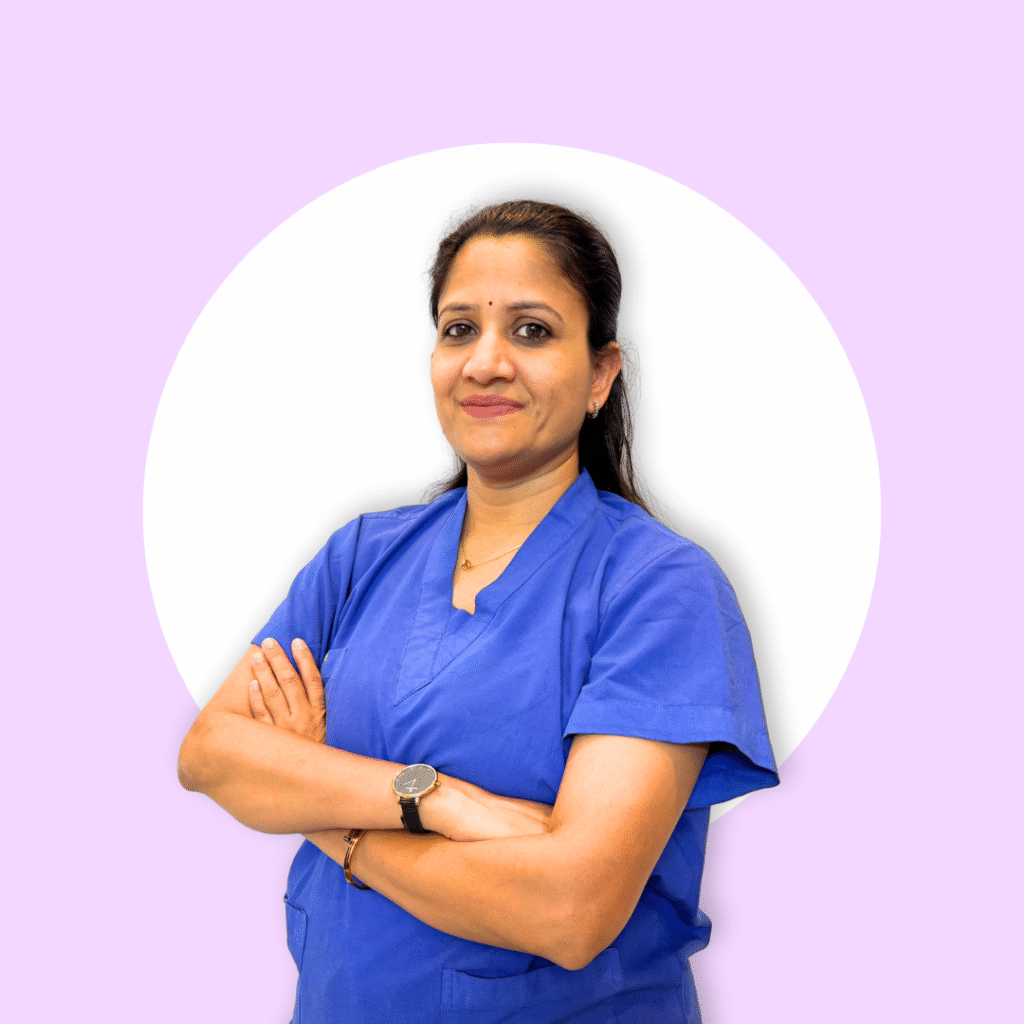
At Surgical and Maternity Clinic in Malviya Nagar, South Delhi, Dr. Reena Jain provides high-risk pregnancy management, including antenatal assessments, pregnancy monitoring and individualised delivery planning.
Need pregnancy guidance? Book a consultation with Dr. Reena Jain to discuss your medical history and pregnancy care requirements.
What Are the Causes of a High-Risk Pregnancy?
Several health conditions, pregnancy-related factors and medical histories can increase the risk of complications. Having one or more risk factors does not automatically mean that a complication will occur.
Common causes and risk factors include:
- Maternal age: Pregnancy during the teenage years or at age 35 and above may require additional assessment, depending on individual circumstances.
- High blood pressure: Hypertension can increase the risk of pre-eclampsia and other pregnancy complications.
- Diabetes: Diabetes that exists before pregnancy or develops during pregnancy may affect the health of the mother and baby if not properly managed.
- Thyroid disorders: Uncontrolled thyroid conditions can affect pregnancy and may require medication adjustments and monitoring.
- Previous pregnancy complications: A history of miscarriage, premature birth, stillbirth or pre-eclampsia may influence the current pregnancy care plan.
- Multiple pregnancy: Carrying twins or triplets increases the likelihood of certain complications and may require more frequent monitoring.
- Placental problems: Conditions affecting the placenta can influence the baby’s growth and delivery planning.
- Poor foetal growth: When a baby is not growing as expected, doctors may recommend additional scans and assessments.
- Existing medical conditions: Kidney disease, heart disease, autoimmune conditions and certain other illnesses can increase pregnancy-related risks.
- Pregnancy-related complications: Conditions such as pre-eclampsia, gestational diabetes or cervical problems may require specialised care.
What Are the Symptoms of a High-Risk Pregnancy?
A high-risk pregnancy does not always cause noticeable symptoms. Some risk factors, including high blood pressure and gestational diabetes, may be present without obvious warning signs. This is why regular antenatal check-ups are important.
However, certain symptoms during pregnancy require prompt medical attention.
Warning Signs to Watch For
- Vaginal bleeding: Bleeding during pregnancy should be assessed by a healthcare professional.
- Severe abdominal pain: Persistent or intense abdominal pain may indicate a problem that needs urgent evaluation.
- Severe headache: A persistent or severe headache, especially with visual disturbances, can be a warning sign of pre-eclampsia.
- Sudden swelling: Sudden swelling of the face or hands, particularly with headache or high blood pressure, needs prompt assessment.
- Breathing difficulty or chest pain: These symptoms require emergency medical attention.
- Reduced foetal movement: If your baby’s movements decrease noticeably after you have established a usual movement pattern, contact your maternity care team promptly.
- Fluid leakage: A sudden gush or continuous trickle of fluid from the vagina may indicate that your waters have broken.
- Persistent vomiting or dehydration: Severe vomiting that prevents you from keeping fluids down requires medical evaluation.
Important: Do not wait for your next routine appointment if you experience a concerning symptom. Seek urgent medical care when necessary.
What Tests Are Recommended for a High-Risk Pregnancy?
The tests recommended during a high-risk pregnancy depend on the mother’s medical history, gestational age, symptoms and the baby’s development. Not every pregnant woman needs every test.
Common assessments may include:
1. Blood Pressure Monitoring
Regular blood pressure checks help identify hypertension and monitor the risk of pre-eclampsia. Urine tests and blood investigations may also be recommended when clinically indicated.
2. Blood and Urine Tests
Doctors may recommend blood sugar testing, blood counts, kidney or liver function tests, thyroid testing and urine investigations according to the patient’s health and pregnancy stage.
3. Pregnancy Ultrasound Scans
Ultrasound scans help assess the baby’s growth, development, position and placental location. The timing and frequency of scans depend on the clinical situation.
4. Doppler Ultrasound
A Doppler study assesses blood flow in selected blood vessels, including those associated with the placenta and baby. It may be recommended when foetal growth restriction or placental circulation problems are suspected.
5. Non-Stress Test (NST)
An NST monitors the baby’s heart rate in relation to movement. It may be recommended during later pregnancy when closer assessment of the baby’s wellbeing is needed.
6. Additional Specialist Assessments
Some women may need consultations with specialists in diabetes, cardiology, endocrinology or other fields. The treating obstetrician coordinates care according to individual requirements.
At Surgical and Maternity Clinic, Dr. Reena Jain offers high-risk pregnancy assessment and monitoring, with care plans that may include trimester-based scans, Doppler evaluation, NST and maternal health monitoring when appropriate.
How Is a High-Risk Pregnancy Managed?
The main aim of high-risk pregnancy management is to identify potential problems early, monitor the health of the mother and baby, and plan timely treatment when needed.
Management may include:
- Regular antenatal visits: The frequency of appointments is adjusted according to pregnancy risks and medical findings.
- Control of existing health conditions: Diabetes, hypertension and thyroid disorders may require medication, dietary guidance and regular testing.
- Monitoring the baby’s growth: Ultrasound scans and other assessments help doctors evaluate foetal development.
- Medication when required: Prescribed medicines may help manage certain conditions or reduce specific risks. Medicines should only be taken under medical guidance.
- Nutrition and lifestyle advice: A balanced diet, appropriate physical activity and adequate rest may support maternal health, depending on the pregnancy.
- Birth planning: The doctor considers the mother’s condition, the baby’s wellbeing and the stage of pregnancy when planning delivery.
- Post-delivery monitoring: Some women need additional monitoring after childbirth, particularly if they have hypertension, diabetes or other complications.
Every high-risk pregnancy is different. The care plan should be based on clinical findings rather than a standard approach for all patients.
What Precautions Should You Take During a High-Risk Pregnancy?
Following your obstetrician’s advice can help you manage known risk factors and recognise problems early.
Consider these precautions:
- Attend all scheduled antenatal appointments and recommended scans.
- Take prescribed medicines as directed and discuss any side effects with your doctor.
- Follow an appropriate diet based on your nutritional needs and medical conditions.
- Monitor blood pressure or blood sugar at home if your doctor recommends it.
- Avoid smoking, alcohol and non-prescribed medicines or supplements.
- Discuss safe physical activity with your doctor before beginning or continuing an exercise routine.
- Get adequate rest and follow the activity restrictions advised for your condition.
- Keep your medical reports and test results organised.
- Learn the warning signs that require urgent medical attention.
- Contact your maternity care team if you notice unusual symptoms or changes in your baby’s movements.
Do not stop prescribed medication or begin home remedies without consulting your doctor.
Can a High-Risk Pregnancy Have a Normal Delivery?
Yes, a vaginal delivery may be possible in some high-risk pregnancies. A high-risk classification does not automatically mean that a Caesarean section is necessary.
The delivery method depends on the mother’s health, the baby’s position and condition, placental factors, the progress of labour and any complications that develop.
A doctor may recommend a Caesarean section when it is considered safer for the mother or baby. In other cases, a vaginal delivery may remain an appropriate option with suitable monitoring.
Delivery planning should be individualised and reviewed as the pregnancy progresses. The priority is the safety and wellbeing of both mother and baby, rather than choosing a delivery method in advance without considering medical factors.
Planning Your Pregnancy Care in South Delhi?
If you have diabetes, high blood pressure, thyroid problems, a history of pregnancy complications or concerns about your baby’s growth, arrange an antenatal assessment.
Dr. Reena Jain at Surgical and Maternity Clinic, Malviya Nagar, South Delhi, provides high-risk pregnancy care based on individual health needs, pregnancy monitoring and delivery planning.
Call +91 90130 22405 to enquire about an appointment.
When Should You Consult a High-Risk Pregnancy Doctor?
You should discuss your pregnancy with an obstetrician if you:
- Have a medical condition that may affect pregnancy.
- Have experienced complications in a previous pregnancy.
- Are expecting twins or more babies.
- Have been diagnosed with gestational diabetes or high blood pressure.
- Have been told that your baby is not growing as expected.
- Need guidance about the timing or method of delivery.
- Experience warning signs such as bleeding, severe headache or reduced foetal movement.
Early consultation can help identify the assessments and monitoring you may need. If you have emergency symptoms, seek urgent medical care instead of waiting for a routine appointment.
Frequently Asked Questions About High-Risk Pregnancy
1. What is considered a high-risk pregnancy?
A pregnancy is considered high-risk when the mother or baby has an increased chance of health complications. Factors may include maternal medical conditions, multiple pregnancy, previous complications or problems that develop during the current pregnancy.
2. What are the most common causes of high-risk pregnancy?
Common risk factors include high blood pressure, diabetes, thyroid disorders, maternal age, multiple pregnancy, previous pregnancy complications and certain chronic medical conditions. Some risks can also develop during pregnancy.
3. Can a high-risk pregnancy be managed safely?
Many high-risk pregnancies progress well with appropriate medical supervision. Regular check-ups, recommended tests, treatment of underlying conditions and timely intervention can help manage risks. Outcomes depend on the specific condition and individual circumstances.
4. How often should I visit my doctor during a high-risk pregnancy?
The frequency of visits depends on your health, pregnancy stage and the level of risk. Some women need more frequent appointments or additional scans and monitoring. Your obstetrician will recommend a suitable schedule.
5. Does a high-risk pregnancy always require a C-section?
No. Some women with high-risk pregnancies can have a vaginal delivery. The recommended delivery method depends on the mother’s health, the baby’s condition and other clinical factors.
6. Which tests are important during a high-risk pregnancy?
Depending on individual needs, tests may include blood pressure checks, blood and urine investigations, blood sugar testing, ultrasound scans, Doppler studies and non-stress tests. Your doctor will decide which assessments are appropriate.
7. When should I seek emergency care during pregnancy?
Seek urgent medical care for severe abdominal pain, heavy bleeding, breathing difficulty, chest pain, severe headache with visual changes, fluid leakage or noticeably reduced foetal movements. Follow your maternity care team’s advice for any other concerning symptoms.
8. Where can I consult a doctor for high-risk pregnancy care in South Delhi?
You can contact Surgical and Maternity Clinic in Malviya Nagar, South Delhi, to enquire about high-risk pregnancy consultations with Dr. Reena Jain. Call +91 90130 22405 to confirm appointment availability and clinic details.
Conclusion
A high-risk pregnancy requires careful assessment, appropriate monitoring and a personalised care plan. Understanding the risk factors, attending antenatal appointments and recognising warning signs can help you make informed decisions throughout pregnancy.
If you have concerns about your pregnancy or an existing medical condition, consult an obstetrician rather than relying on online advice alone.
For high-risk pregnancy care in South Delhi, contact Dr. Reena Jain at Surgical and Maternity Clinic, Malviya Nagar, on +91 90130 22405 to enquire about a consultation.
Medical disclaimer: This article is for general educational purposes and does not replace individual medical advice, diagnosis or treatment. Pregnancy care should be guided by a qualified healthcare professional.