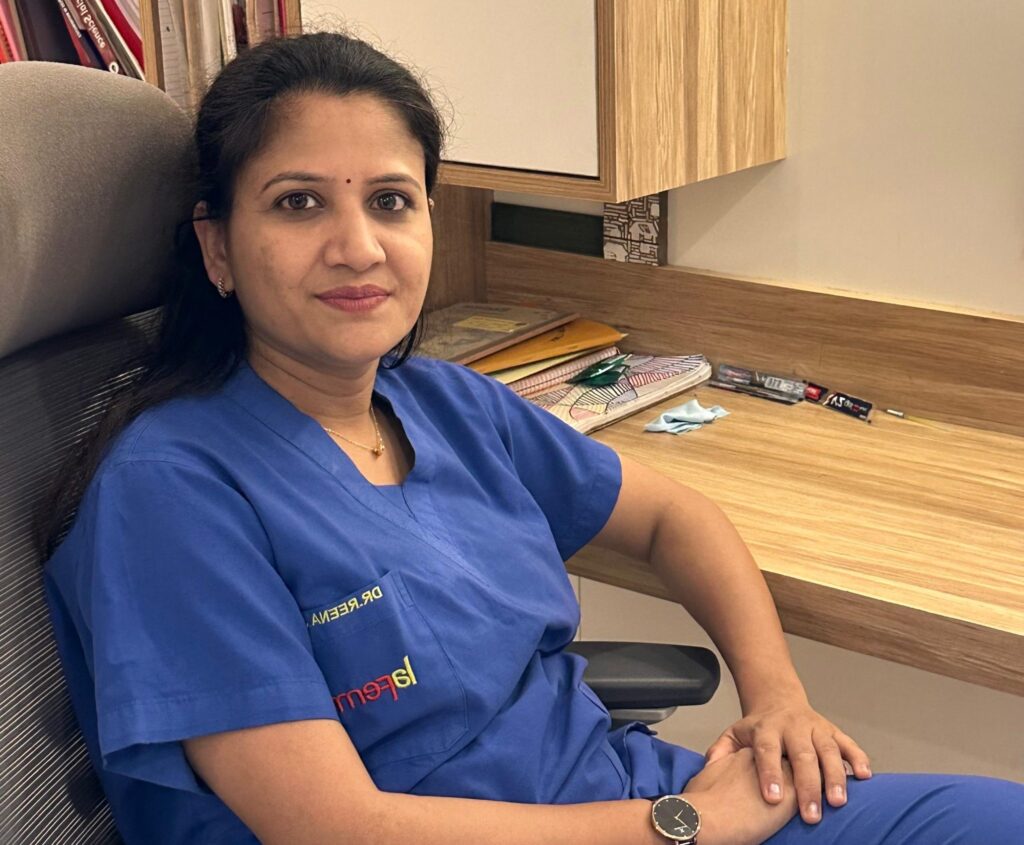

Struggling with PCOS or fertility issues? Discover how an experienced gynaecologist in South Delhi can help you balance hormones, boost fertility, and achieve a healthy pregnancy.
Living with Polycystic Ovary Syndrome (PCOS) can feel frustrating — especially when you’re trying to conceive. Irregular periods, hormonal imbalance, and fertility challenges can take a toll on both your physical and emotional well-being.
But here’s the good news: with the right gynaecologist in South Delhi, you can manage PCOS effectively and achieve your dream of a healthy pregnancy.
This guide explains how expert care, lifestyle management, and early diagnosis can transform your PCOS journey into a successful fertility story.
💡 What Is PCOS and How Does It Affect Fertility?
PCOS (Polycystic Ovary Syndrome) is a hormonal condition in which the ovaries produce higher levels of androgens (male hormones). This disrupts ovulation, causes irregular periods, and can make conception difficult.
Common PCOS Symptoms:
-
Irregular or missed periods
-
Excess facial or body hair
-
Acne or oily skin
-
Weight gain or difficulty losing weight
-
Hair thinning on the scalp
-
Fatigue or mood swings
How PCOS Affects Pregnancy:
-
Irregular ovulation — makes timing conception difficult
-
Insulin resistance — affects hormone balance and egg quality
-
Higher miscarriage risk — due to hormonal fluctuations
-
Gestational complications — like diabetes or preeclampsia during pregnancy
Despite these challenges, PCOS doesn’t mean infertility. With proper medical support, most women with PCOS can conceive naturally or with minimal assistance.
👩⚕️ Why Choose a Gynaecologist in South Delhi?
South Delhi is known for its advanced healthcare infrastructure, skilled doctors, and modern diagnostic labs — making it one of the best places for women seeking specialized reproductive care.
A gynaecologist specializing in PCOS and fertility can offer:
-
Advanced hormone and ultrasound testing
-
Personalized PCOS management plans
-
Fertility support with ovulation tracking
-
Pregnancy monitoring and high-risk care
-
Coordination with dietitians and endocrinologists
The right doctor doesn’t just treat symptoms — they guide you holistically, from hormonal balance to motherhood.
🩸 What Happens During Your First Consultation
Your journey with a gynaecologist usually begins with a detailed consultation and diagnostic assessment.
Step 1: Medical History & Lifestyle Review
You’ll discuss your:
-
Menstrual pattern and symptoms
-
Previous fertility history
-
Weight, diet, stress, and exercise habits
-
Family medical history
Step 2: Diagnostic Tests
Your doctor may recommend:
-
Hormone profile (FSH, LH, AMH, testosterone, prolactin)
-
Ultrasound scan of ovaries and uterus
-
Insulin resistance and glucose tolerance test
-
Thyroid and lipid profile
Step 3: Personalized Treatment Plan
Based on test results, your doctor creates a tailored plan involving:
-
Hormone correction
-
Weight and diet management
-
Ovulation induction (if trying to conceive)
-
Stress management and lifestyle guidance
This individualized approach ensures you get the right support for your unique hormonal pattern.
🥗 Lifestyle & Medical Treatment for PCOS
Managing PCOS requires both medical treatment and lifestyle modification. Your gynaecologist in South Delhi will help you focus on these key areas:
1. Lifestyle and Diet Changes
-
Maintain a healthy weight (even a 5–10% loss improves fertility)
-
Eat a low-glycemic, high-fibre diet rich in lean proteins, veggies, and whole grains
-
Avoid refined carbs and sugar
-
Exercise regularly — include both cardio and strength training
-
Manage stress through yoga, meditation, or breathing exercises
-
Get 7–8 hours of quality sleep daily
2. Medical Treatment Options
-
Hormonal therapy: To regulate periods and control androgens
-
Ovulation induction: Medications like Letrozole or Clomiphene help trigger ovulation
-
Metformin: Improves insulin sensitivity and supports ovulation
-
Fertility treatments: Intrauterine insemination (IUI) or IVF may be considered if conception doesn’t occur naturally
3. Regular Monitoring
PCOS treatment requires consistent follow-ups to adjust medications, track ovulation, and monitor overall progress. This ongoing care ensures long-term hormonal balance and fertility readiness.
🤰 Pregnancy Care for Women with PCOS
Once you conceive, your gynaecologist plays an even more important role in ensuring a healthy pregnancy journey.
Women with PCOS need closer supervision due to higher chances of certain pregnancy-related complications.
Key Aspects of PCOS Pregnancy Care:
-
Early Glucose Screening: To prevent gestational diabetes
-
Blood Pressure Monitoring: To reduce the risk of preeclampsia
-
Fetal Growth Scans: To ensure healthy baby development
-
Nutritional Support: To maintain balanced weight and optimal nutrient levels
-
Delivery Planning: To determine the safest birth approach for you and your baby
With regular prenatal check-ups and lifestyle monitoring, most women with PCOS experience normal, full-term pregnancies.
💬 Emotional Well-Being: The Missing Piece
PCOS affects more than your hormones — it impacts confidence, body image, and mental health. Many women feel anxious or disheartened when struggling to conceive.
A compassionate gynaecologist in South Delhi understands these emotional challenges and provides holistic care that includes counselling, reassurance, and guidance.
Remember: managing stress and maintaining a positive outlook can improve hormonal balance and support fertility naturally.
🔍 How to Choose the Best Gynaecologist in South Delhi
Selecting the right specialist is key to achieving successful results. Consider these points before making your decision:
-
Experience: Choose a doctor experienced in handling PCOS and fertility cases.
-
Facilities: Look for a clinic equipped with advanced ultrasound, hormone testing, and fertility technology.
-
Approach: The doctor should offer personalized treatment, not a one-size-fits-all plan.
-
Comfort: You should feel comfortable discussing sensitive topics openly.
-
Accessibility: Select a clinic close to home or work for easy follow-ups.
🧠 Questions to Ask Your Gynaecologist
To make your consultation more productive, ask:
-
What type of PCOS do I have?
-
How can I naturally boost ovulation?
-
What dietary habits should I focus on?
-
How long should I try to conceive before exploring fertility treatments?
-
How will my pregnancy be monitored once I conceive?
-
What are the possible pregnancy risks with PCOS, and how can we prevent them?
These questions help you understand your treatment plan clearly and stay involved in every stage.
🌿 Life Beyond Pregnancy: Managing PCOS Long-Term
PCOS doesn’t disappear after pregnancy — it requires ongoing attention. A long-term relationship with your gynaecologist ensures your hormonal and metabolic health remain stable.
Post-pregnancy care may include:
-
Weight management and postpartum recovery
-
Period regulation and hormone balancing
-
Breastfeeding and nutrition guidance
-
Preventing diabetes or thyroid issues
Regular check-ups every 6–12 months can help maintain hormonal stability and prevent relapse of PCOS symptoms.
💖 Final Thoughts
The journey from PCOS to pregnancy is not a straight line — but it’s absolutely possible with the right medical care and lifestyle approach.
By working closely with a trusted gynaecologist in South Delhi, you can take control of your health, improve fertility naturally, and experience the joy of motherhood.
Remember: PCOS doesn’t define you. With expert guidance, self-care, and consistency, you can move confidently from hormonal imbalance to a happy, healthy pregnancy — and beyond.